Fire-Resistant Roofing Systems and Materials
By Luke Wilson
Ice Dams
Although most people consider spring weather to be the cause of most roofing woes, the winter months can significantly impact your roof’s health. Between wildly fluctuating temperatures, high winds, and expanding and contracting moisture, your roof can be in for a rough time without you ever knowing it.
One such winter roofing issue is ice dams. Sure, it might sound like a fantasy setting out of an episode of Game of Thrones, but it’s a real problem for many homeowners and is responsible for many unfortunate springtime repairs.
In this blog, we’ll explore this phenomenon in greater detail and arm you with the tools you need to prevent ice damming from damaging your roofing.
What is An Ice Dam?
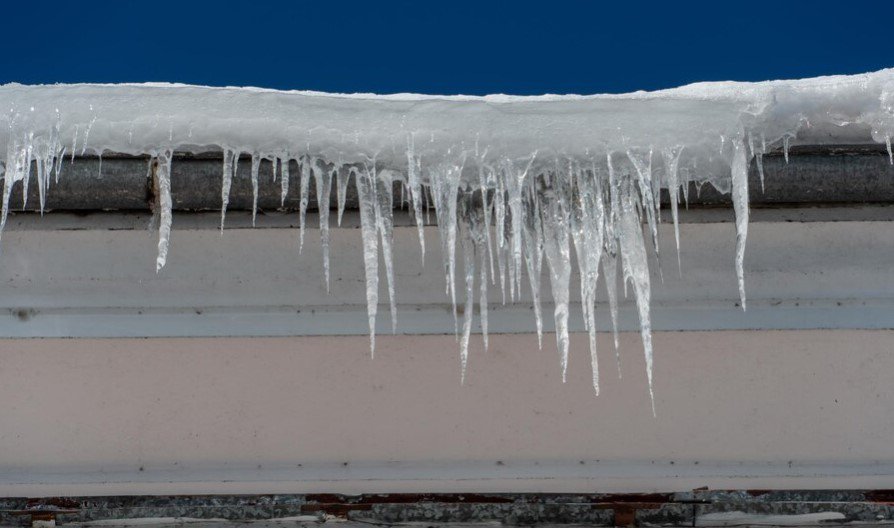
Ice dams occur when snow and ice on your roof begin to melt, run down the face of your roof, and refreeze along the outer edge where the temperatures are cooler.
Once this occurs, any additional moisture has nowhere to go and can seep back up the roof, infiltrating shingles, causing leaks, soffit decay, and damaging the internal components of your home. You may first notice the damage caused by ice dams, such as rust spots, peeling paint, stains, and sagging drywall. It can even promote the growth of mold throughout your home.
How Attic Ventilation Can Prevent Ice Dams
One of the reasons for ice damming comes from temperature swings along the face of your rooftop. As snow accumulates on the roof, it insulates the attic and roof deck, trapping in warm air from the home. This warm air causes the underside of the snow to melt, and the water then flows downward toward the eaves.
However, with effective roof ventilation, the heat from the interior is allowed to escape naturally. This helps to keep the roof’s surface closer to the outdoor temperature, discouraging the snow from melting rapidly and forming ice dams at the roof’s edge. It can minimize any water penetration and can significantly extend the life of your roof.
Damage from Ice Dams
One of the most immediate and visible consequences of ice dams is the damage to the roof itself. As water pools behind the ice dam, it can find its way under the shingles, leading to leaks and damage to the underlying roofing structure. If left unaddressed, these leaks can even infiltrate your home’s attic and interior, causing water damage to ceilings, walls, insulation, and even structural components.
Ice dams can also lead to a cycle of damage as the melting snow exacerbates the problem. The pooled water from the ice dams can refreeze, expanding and pushing shingles apart. This expansion can create gaps, allowing even more water to penetrate and damage the roof. Over time, this can lead to extensive roof damage and the need for roof replacement to address the underlying structural problems.
Ice Dam Prevention
Now that we’ve thoroughly examined what ice damming is, let’s look at a few ways to prevent it from becoming an issue for your roof’s health:
1. Clean Gutters Regularly
One of the primary causes of ice dam formation is clogged gutters. Leaves, debris, and ice buildup in gutters can prevent proper drainage, leading to water backup and ice dams. Regularly clean your gutters, and ensure that water can flow freely and away from your roof.
2. Remove Snow Accumulation from Your Roof
Heavy snow accumulation on your roof can contribute to ice damming. Use a roof rake or hire professional roofers to safely remove excess snow, particularly from the roof’s edge. This reduces the potential for ice dams to form.
3. Ensure Adequate Attic Ventilation
Proper attic ventilation is crucial in maintaining a consistent roof temperature. It allows warm air from your home to escape, preventing the underside of your roof from getting too warm and melting the snow. Consult with roofing contractors to ensure your attic has the right ventilation setup.
4. Create an Air Barrier Between the House and the Attic
Sealing gaps and leaks between your living space and attic can minimize heat transfer, reducing the risk of ice damming. This barrier prevents warm air from entering the attic and melting the snow on your roof.
5. Install Water-Repellent Roofing Membranes
Water-repellent roofing membranes provide an extra layer of protection for your roof, helping prevent moisture infiltration and safeguarding the underlying structure. These membranes are especially valuable in winter conditions, when snow and ice can cause water to back up under shingles.
At Skywalker Roofing, we offer enhanced protection options such as Owens Corning WeatherLock® G Granulated Self-Sealing Ice & Water Barrier for homeowners who want additional defense against ice dams and water migration. This product is often recommended for vulnerable areas of the roof or when roof design, pitch, or exposure increases the risk of winter-related moisture issues.
6. Contact Professional Roofing Contractors
If you’re concerned about ice damage, professional roofers can perform a thorough inspection of your roof and attic. They can identify potential issues and recommend solutions to minimize the risk of future damage, and recommend solutions for repairs.
Skywalker Roofing is Your Trusted Name for Roof Protection
Whether you need a regularly scheduled roof inspection or you’re seeking full roof replacement, the experts at Skywalker Roofing have you covered with high-quality products and affordable solutions that last. Our roofers are fully licensed, certified, and ready to tackle your worst roofing woes.
From residential roof repairs to commercial-grade projects, our roofing company has the experience and dedication to craftsmanship to keep your roof pristine in any weather.
Don’t wait for rain, snow, and ice to make its way through your shingles. Contact our experts today at (336) 717-0467, and let us show you the Skywalker difference.